
Courtesy: Businessweek
While women around the world are governing countries, leading central banks, running companies and coaching tennis stars, in Japan they’re being subject to sexist taunts from the Dark Ages.
Prime Minister Shinzo Abe has pledged to increase access to the country’s notoriously inadequate daycare facilities, extend maternity leave and encourage companies to name female board members in a highly publicised campaign against gender inequality. But these remain well-intentioned proposals at best, undermined by a deep-rooted patriarchy and a widely held notion that a woman’s place is at home, raising kids in her geta sandals.
Last week, these traits were on display for all to see, as Ayaka Shiomura, a Tokyo assemblywoman, was reduced to tears by the jeering of her male colleagues when she called on the local government to assist women with child rearing and to fund infertility treatments. Her crime? Being single and childless.
Japan’s male leaders have a long history of sexism, calling women baby-making machines and labeling career women selfish for delaying childbirth and undeserving of pensions. Even in companies, women are expected to serve the tea at meetings, no matter their position.
Japanese men are clearly oblivious to just how badly they need women to take on more jobs and be more involved in governing. Japan ranks behind Saudi Arabia in the proportion of women in parliament, according to a gender-gap report by the World Economic Forum. Its working-age population is set to shrink by almost half by 2060. Japan’s GDP could rise by as much as 13 percent by closing the gender employment gap, according to a Goldman Sachs report.
Criticising an assemblywoman in a public meeting for her choices is hardly assuring. Japanese men may try leaning in a bit.





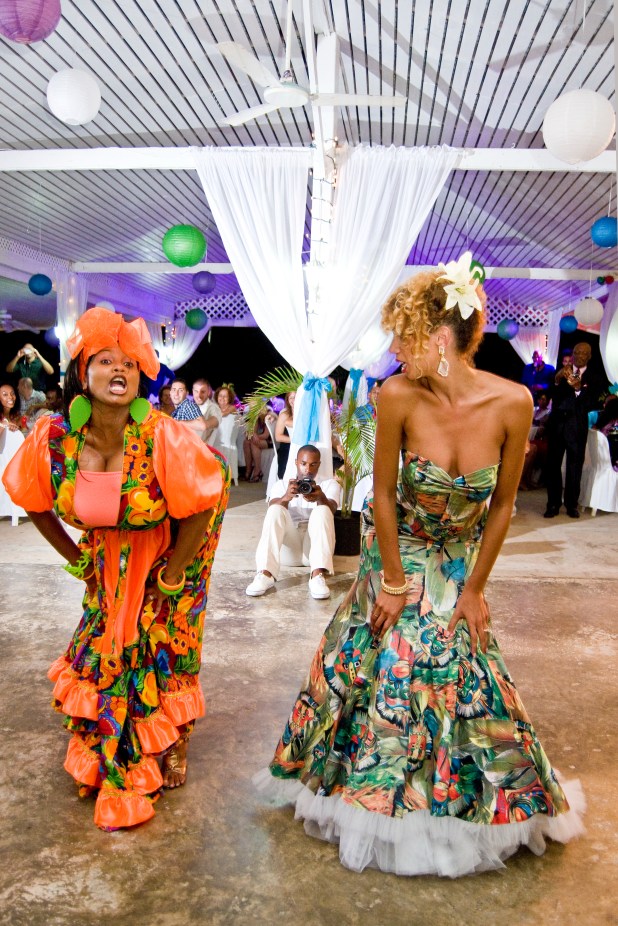



 Lindsay Hall is a brilliant, young dancer who recently finished a series of performances with the
  I am mixed in every sense of the word. I am of different races and different countries (Black/white and Trinidadian/Canadian) and my influences and interests are just as varied. When I was younger and I met other people who were one race and from one place, I thought their lives must be so much simpler, not having to constantly explain where they are from and why they look the way they do, or (like in my case) why they have a Canadian accent but say they grew up in Tobago. But now that I am older (and I would like to think wiser as well!) and I am delving more and more into the dance world, I realize how unique my story is, and that I can use my background and my story in my dancing. I can embrace my story and not feel so bothered if I have to explain why my hair is the way it is or why I have freckles but my skin is brown.
 The Coloured Collective